

Playfulness is built into our brain as all mammals learn to play. Play is an important part of learning as a child through developmental stages. We naturally learn to observe and copy others to form and maintain relationships. We learn through experiences in life but sometimes our experiences aren’t safe or secure within our relationships, environments or family systems, and this can cause fundamental trauma to our emotional, social, psychological and physical development.
Dr. Gabor Maté explains to Mel Robbins the power of play and why we need joyfulness in this video on YouTube, follow the link below to hear their conversations
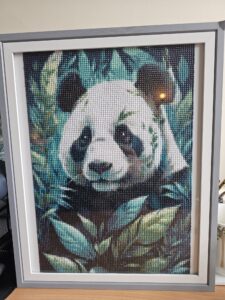
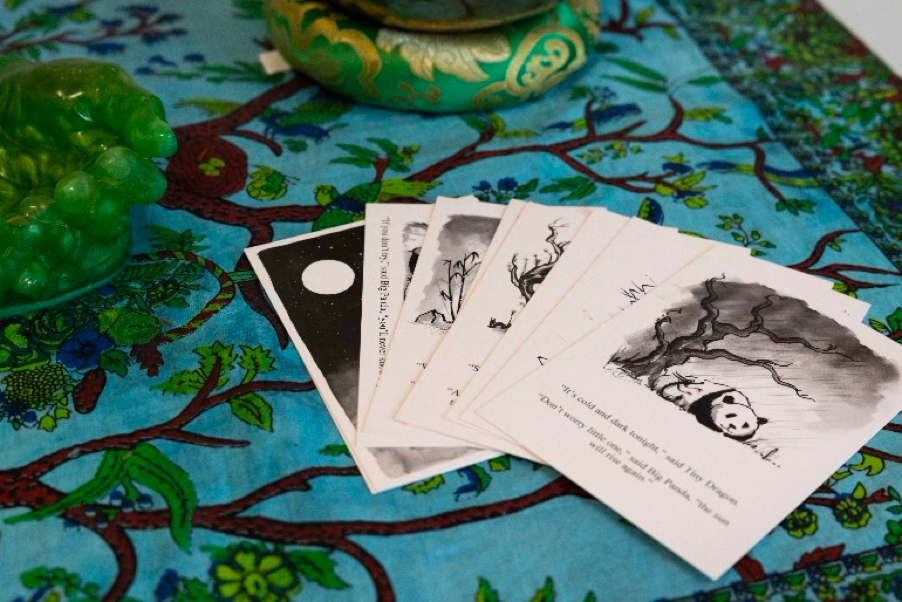
When you get to know me, you will soon learn my joy and association for pandas. I started collecting pandas as a little girl and still love the comfort and pleasure they bring the little girl inside of me. I have panda gifts brought for me from others,and this brings me so much joy.
So, as we grow up, we learn to conform to ‘society expectations’ the older we get, especially in higher educational environments and within certain career paths. We lose the joy of playing freely, without conditions and rules. However, we can choose to bring playful ways of being into our everyday lives in many ways
Let’s focus our attention on these four therapeutic trauma informed approaches to find ways to regulate at a P.A.C.E that offers us more attentive ways of being to support our nervous system and bring us joy in our relationships
Playfulness
Acceptance
Curiosity
Empathy
The PACE model was founded by Dan Hughes, a Clinical Psychologist who developed this model for parenting skills to build secure relational attachments http://www.danielhughes.org/p.a.c.e..html
Playfulness can offer warmth and gentle communication to bring ease. It can be felt through shared experiences of joy, smiles, laughter and fun, we learn to be enjoyable to be around.The more playful ways we can be in our everyday conversations, behaviours and responses,the less caught up we can feel in heavy life events that way us down causing stress, anxiety and or depressive states
Now I am not suggesting we shouldn’t ever be serious
There are times to be playful, equally there are times to show respect for someone’s suffering and playfulness may not feel appropriate. Someone whose developmental stages have been impacted by lack of nurture and freedom to learn safely may not find being playful easy as they hold on to their past trauma
Acceptance is offering a space where we get to understand a person in their world without judgment or offering opinions when emotions and thoughts are expressed. It can feel so supportive when you respond with attentive listening, validation and compassion. Being compassionate to someone who finds being playful difficult will allow them to feel more at ease. Then they may be more willing to be playful when they feel safe in the trust you build together from the acceptance, they feel within your relationship
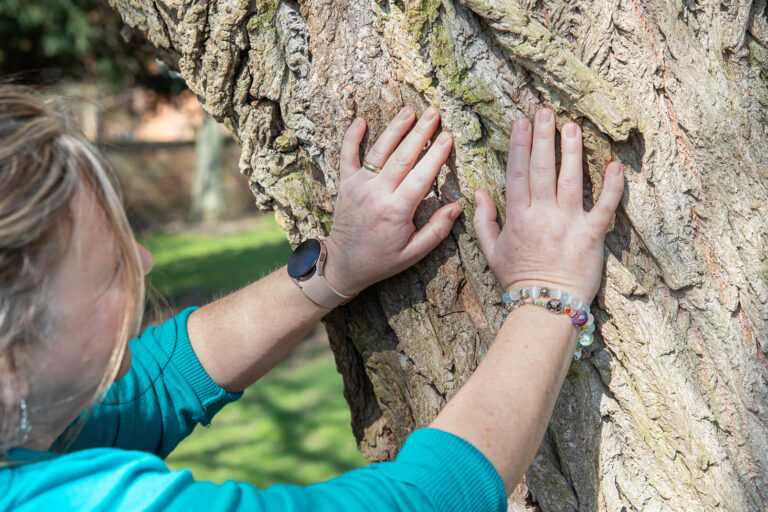
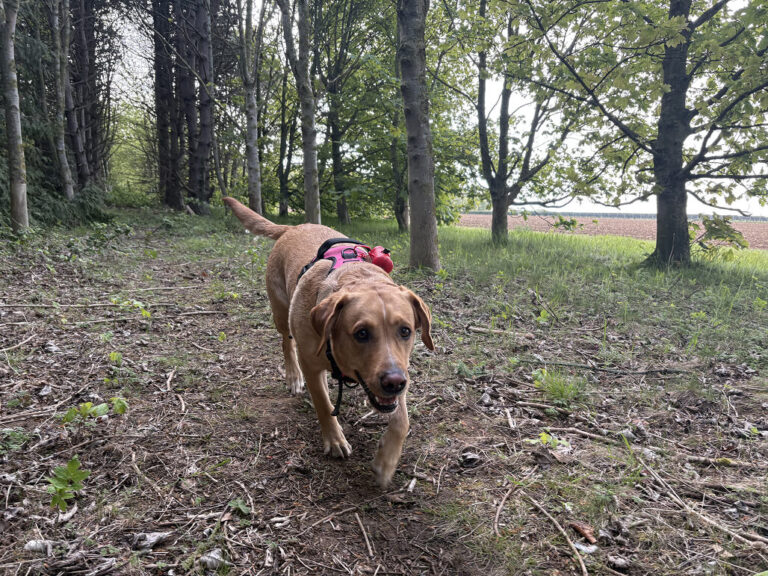
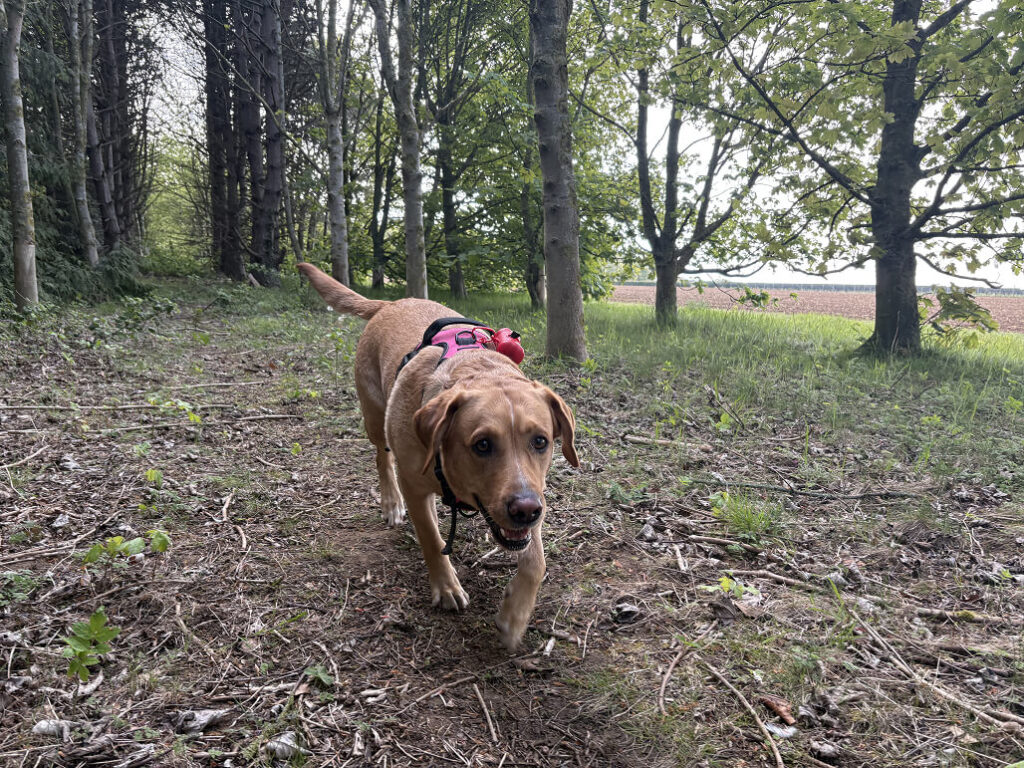
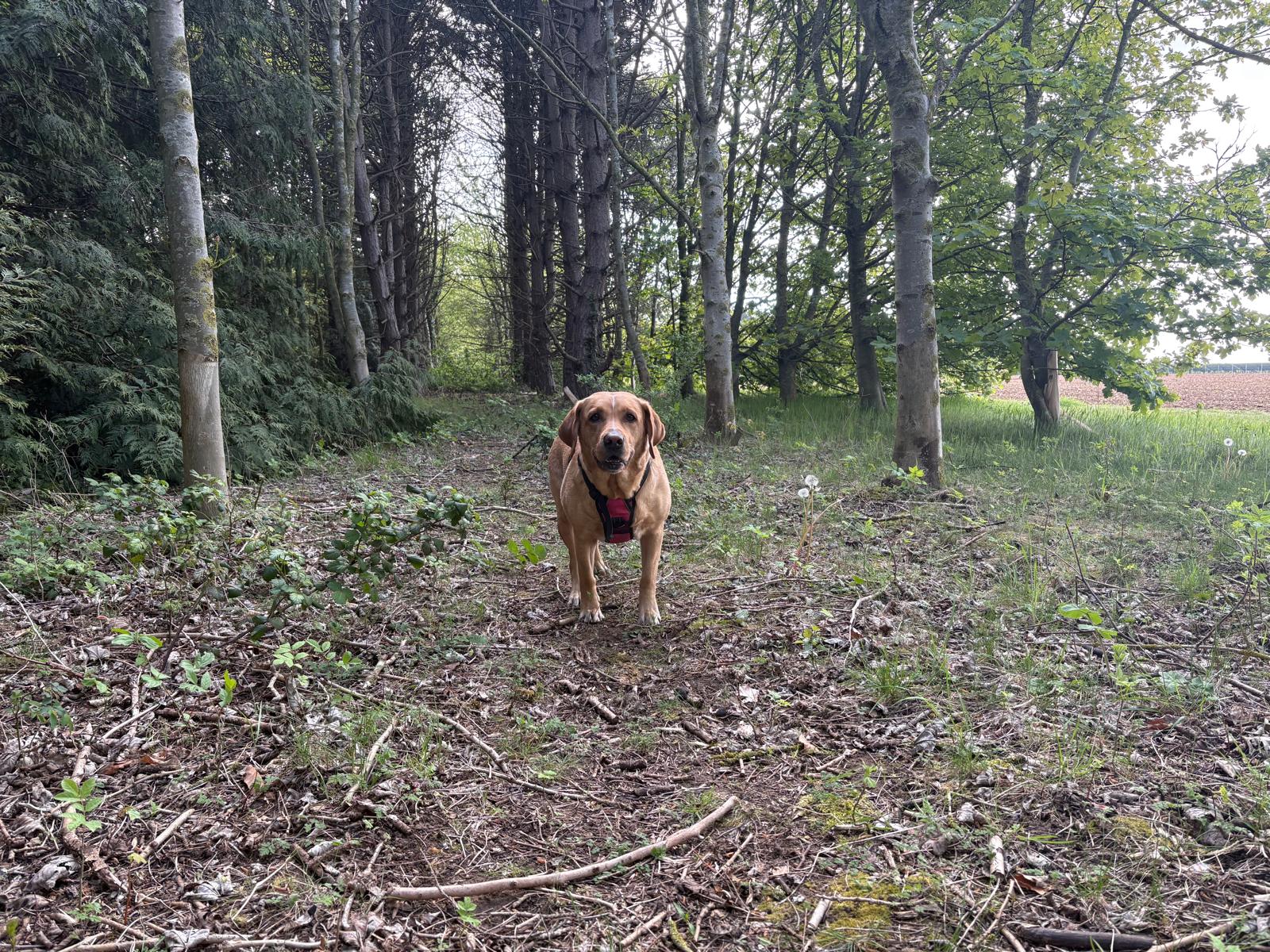
Curiosity can be incredibly playful; I love being out in nature on dog walks with my grand puppy Coco. We enjoy playing in woodlands together, chasing each other, hiding around trees, running, jumping over fallen branches, sitting in nature mindfully observing and using all our senses while forest bathing. It feels energising and so good for my wellbeing. Let’s choose to be curious to learn to play again as adults. Look at things as if it is the first time you have seen it, ‘beginners mind’ they call this in Mindfulness practice.
Empathy can be broken down into affective, somatic and cognitive ways to be empathic. Affective empathy is when you show your ability to respond sensitively to other people’s emotions appropriately. Somatic empathy (our felt sense) is the ability to feel what another person is feeling, and Cognitive empathy is understanding someone’s response to a situation. Empathy is a way we can show we care towards ourselves, others and the world we live in. Empathy is a wonderful way to co-regulate in our experiences of being in community, holding compassion for collaboration and connections
One of my clients who struggled with adverse childhood trauma learnt to be more playful within our sessions as we played with words, metaphors and curiosity to be more compassionate to herself. She found her release and passion for writing poems and wrote this wonderful poem as part of her healing journey and made me this panda art picture as she found ways to be creative to soothe her nervous system