

Do you ever feel like you are different and you don’t fit in?
Do you ever feel misunderstood and find you can fall out with people easily?
Do you struggle with anxiety and have a strong felt sense in your body at times?
Do you freeze and feel disconnected to your body, mind and others at times?
For many years I struggled with understanding the complexity of human connections. I would have great empathy for others but really struggle to like who I was because I was so focused on pleasing other people to fit in, I really didn’t know how to be myself from years of masking
I carried a lot of shame around feeling different as I was incredibly sensitive and reacted to many things easily often feeling out of control, upsetting myself and others at times because I couldn’t cope with conflict or feelings of rejection
I started to read more around mental health and began a basic counselling training course where I realised I could learn ways to speak and respond differently which I felt curious about and scared at the same time
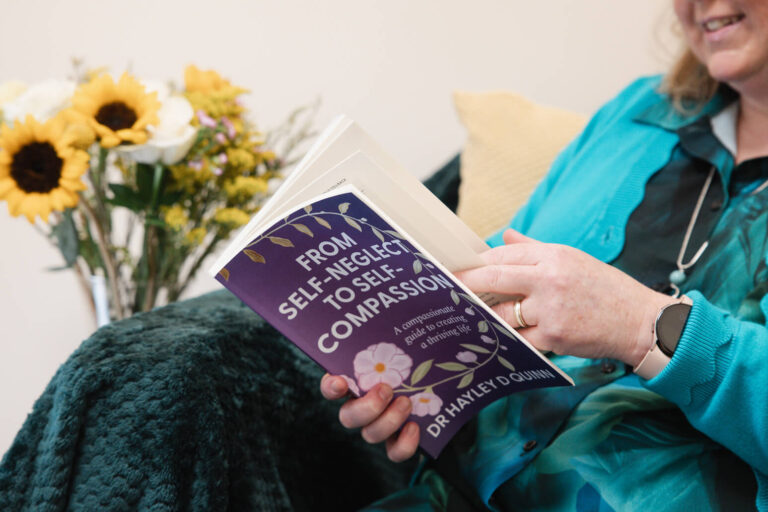
“What if life isn’t about pushing away all the discomfort? But instead making space for it. And treating yourself with the compassion you deserve.”- Dr Hayley D Quinn
Understanding how human conditioning and lived experiences impact our sense of self, it was at this point I decided I really needed personal therapy. I had so much to work through myself before I could ever consider being emotionally available for others
Over many years of personal therapy, growth and development I realised I was worthy of offering myself compassion and within this time I completed a lot of CPD on learning about neurodivergence and compassion mind training
One of my own three children decided to explore their own neurodivergence and was diagnosed with ADHD back in 2020. When we filled in the forms together, we were able to see many patterns of behaviours within our family systems, and it was a light bulb moment of “Oh I do that too!”
I self-identify with meeting the criteria for dyslexia, dyscalculia, dyspraxia and ADHD and I no longer carry the shame of these conditions anymore as they are just parts of me that can struggle at times. Learning to be compassionate to my younger self from the loving and nurturing adult human I have chosen to strive to be is so liberating
It has been slogging, sweating and labouring process of learning to notice, accept and find ways to meet my own needs, however I have so much gratitude for the wisdom of compassionate training, mindfulness and meditation practices as well as the safe tribe of people I have in my life I choose to learn from
Last year I completed the forms through my GP who felt I met the criteria for being assessed for ADHD. Unfortunately, due to lack of funding in my area my application was rejected. I was left feeling disheartened I couldn’t get the assessment to give me more clarification. However, I wasn’t wanting to access medication as I prefer to manage supporting my symptoms with mindfulness, meditation practices and being in community with others who identify themselves or someone they live with who have neurodivergence
I know we have an option to self-refer with a cost or a long wait, but now I am accepting the self-identity offers me enough contentment
As a psychotherapist I am not trained nor do I have any qualifications to diagnose anyone on any health conditions. When talking to clients, I hear it can feel very confusing around what mental health practitioners can or can’t do
Psychiatrists and some trained Psychologists with advance training can offer diagnosis of mental health conditions. Some therapists can attain qualifications in becoming neurodivergent assessors with additional training. Please make sure if you are seeking clarification, you choose an accredited organisation or charity who can offer you an assessment.
You can check out Autism and neurodiversity
I am here for the compassionate human connection to help you to make sense of your responses, reactions, limitations, strengths, communication, interactions, and challenges with a compassionate lens of empathy, acceptance and nonjudgement
“Connection is why we are here; it gives us purpose and meaning to our lives.” – Brene Brown.
Human connection can be challenging for many people at times whether you are neurodiverse or neurotypical
I find my way through managing to regulate my emotions more effectively with the continuous practices of compassion, mindfulness and meditation practices. I am an active member of Dr Sands Mindfulness Skills 4 Life, regular fortnightly practice and gain so much wisdom from them and attending her retreat days
I am also an active member at The Gentle Co with Joanna Waddell where I attend monthly gatherings, seasonal sessions and events with wonderful nature and human connections
Compassionate Connections is my new branding for 2026 because I believe it’s important to focus in on relationships and connections we can create healthily rather than material possessions. Material things come and go, but loved ones, and deep connections are what makes life meaningful
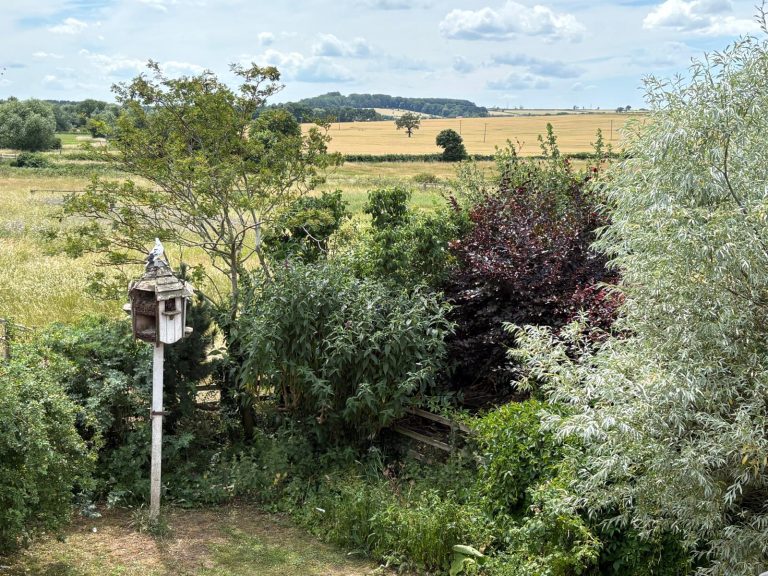
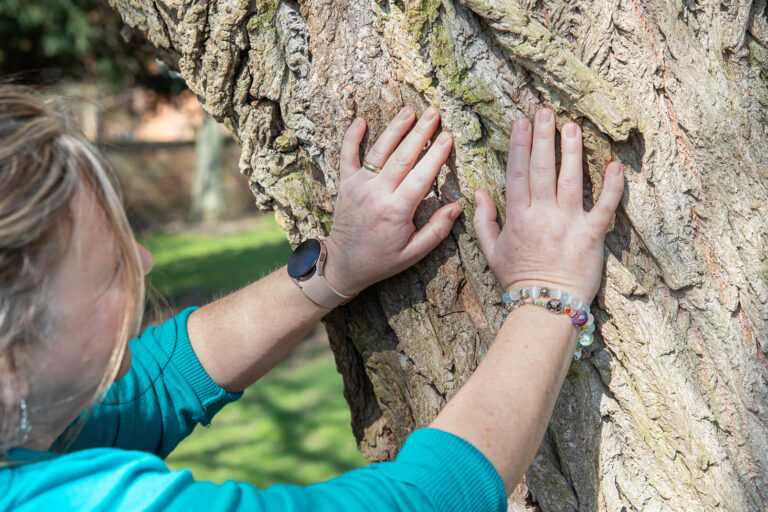
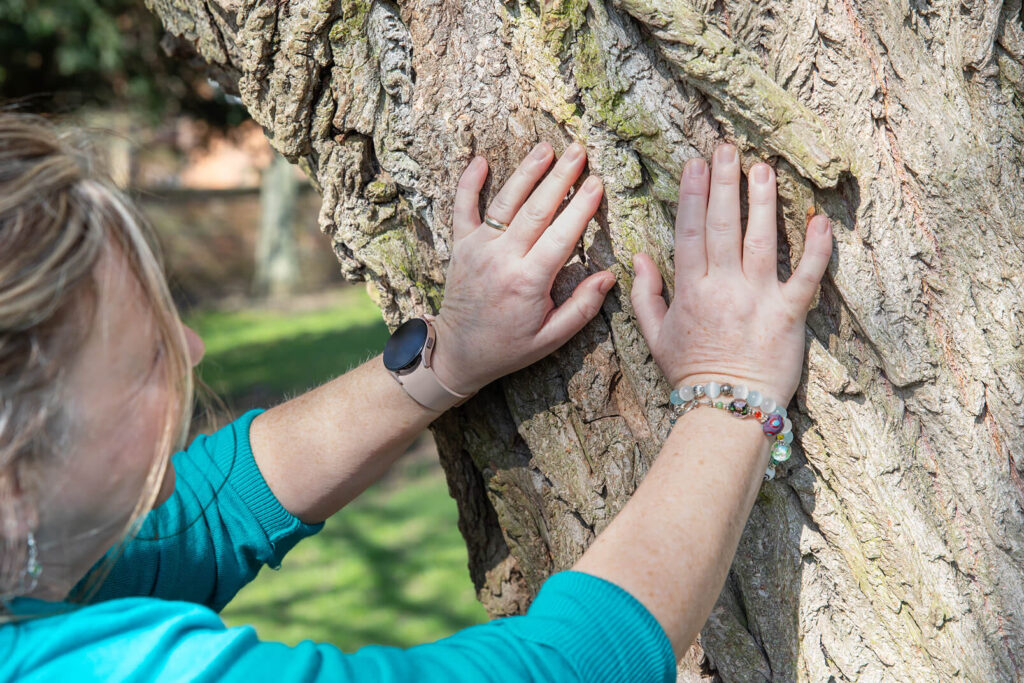
When human connections feel hard, taking a break in nature is like a reset for your nervous system and you can give yourself an opportunity to ease and soothe your emotional and physiological systems ~ it works for me!
References:
Dr Hayley D Quinn; From Self- Neglect To Self-Compassion, A compassionate guide to creating a thriving life book
Joanna Waddell; The Gentle Co (See my wellbeing associates page)
Dr Sandra McCutchon; Mindfulness Skills 4 Life (See my wellbeing associates page)
Autism and neurodiversity website – useful links and information